
Author: heritagebrothersadmin
Remembering loved ones: How technology can help celebrate their lives
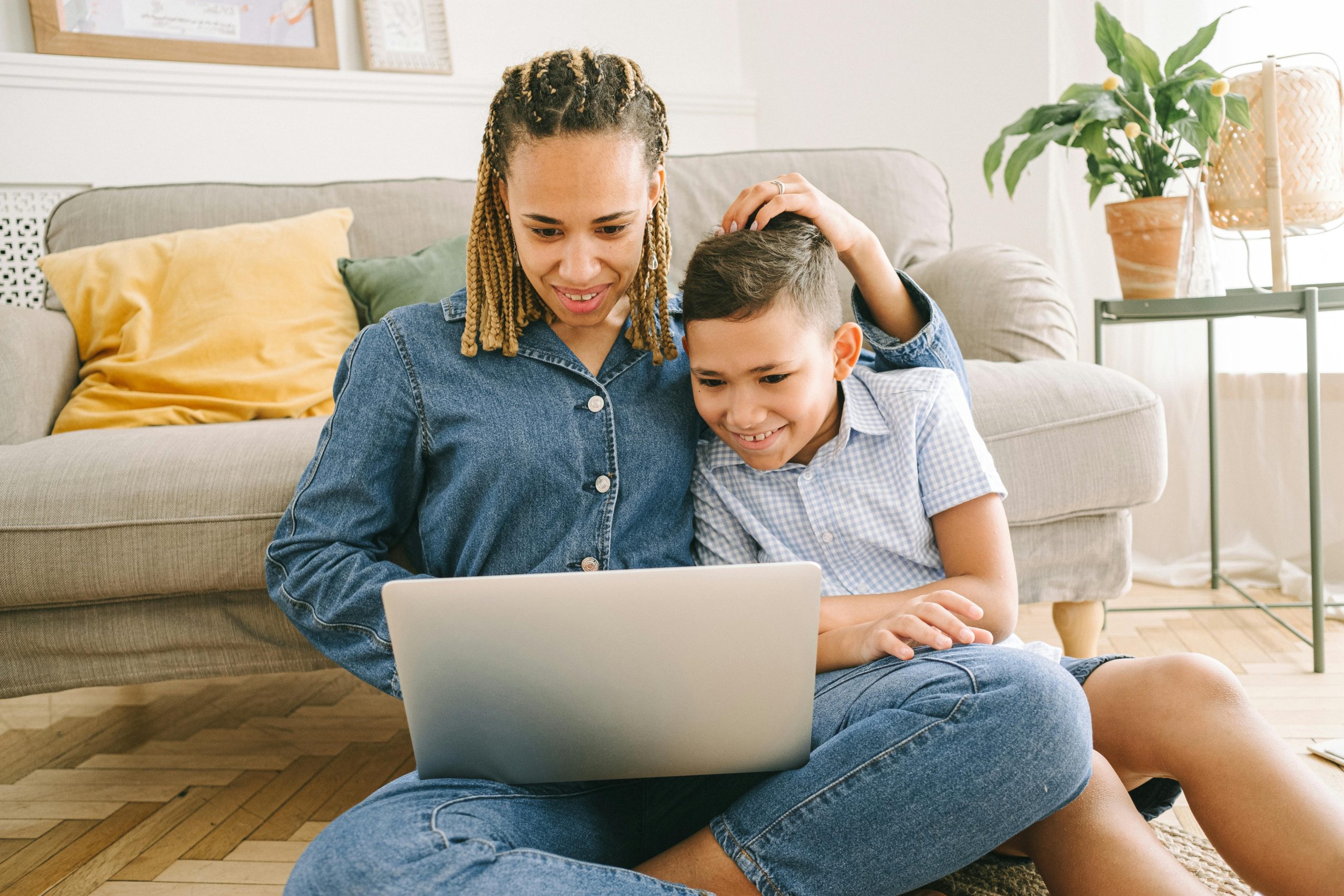
As Gold Coast funeral directors, we’ve seen how funeral services have evolved, and how the ways we remember loved ones have changed. As technology has improved, we now have access to a range of tools that make memories more accessible for family and friends, near and far.
Virtual tributes
Virtual tributes (live streaming) make it easier for families and friends to come together, no matter where they are. Loved ones from afar can participate, share memories instantly, and feel connected even if they can’t attend in person.
Digital memorials also create lasting keepsakes, photos, videos, and messages that can be looked at in the future. These tributes provide a sense of comfort, preserve precious memories, and help everyone feel included, making the process of remembering a loved one a little more personal.
Types of digital memories
There are lots of ways to use technology to celebrate a loved one’s life:
- Online tribute pages – Create a dedicated page with stories, photos, and messages so friends and family can visit anytime.
- Photo and video slideshows – Share memories through slideshows that capture special moments and milestones in the life of your loved one.
- Livestreamed funerals or memorial services – Include family and friends who can’t attend in person, so everyone can be a part of the celebration of life.
- Social media remembrance groups – A private space where loved ones can post memories, photos, and messages, keeping the connection alive.
Tips for creating a meaningful online memorial
Creating an online memorial is a beautiful way to use technology to honour your loved one and bring family and friends together. To make it truly special, keep these tips in mind:
- Personalise it – Include stories, photos, and favourite songs that reflect your loved one’s personality and life.
- Keep it simple – Make the memorial easy to navigate so everyone can enjoy it without any tech stress.
- Encourage family contributions – Invite relatives and close friends to share their own memories, photos, or messages to create a special, shared tribute.
Combining digital and in-person tributes
Digital memorials aren’t there to replace traditional ceremonies. But they can complement them. Sharing photos, videos, or livestreaming a service allows friends and family who can’t attend in person to be part of the experience. And this is so important in the grieving process. This technology can enhance the service, keeping everyone connected while still honouring the personal touches that make in-person memorials so meaningful.
Embracing technology at Heritage Brothers Funeral Services
We can assure you that our Gold Coast funeral directors are here to guide you every step of the way, helping you utilise technology to celebrate the life of your loved one, and allowing family and friends to feel more connected.
Heritage Brothers can guide you in combining online tools with traditional ceremonies to create a beautiful funeral service. Contact us today to explore your options and make remembering someone special easier for the whole family.